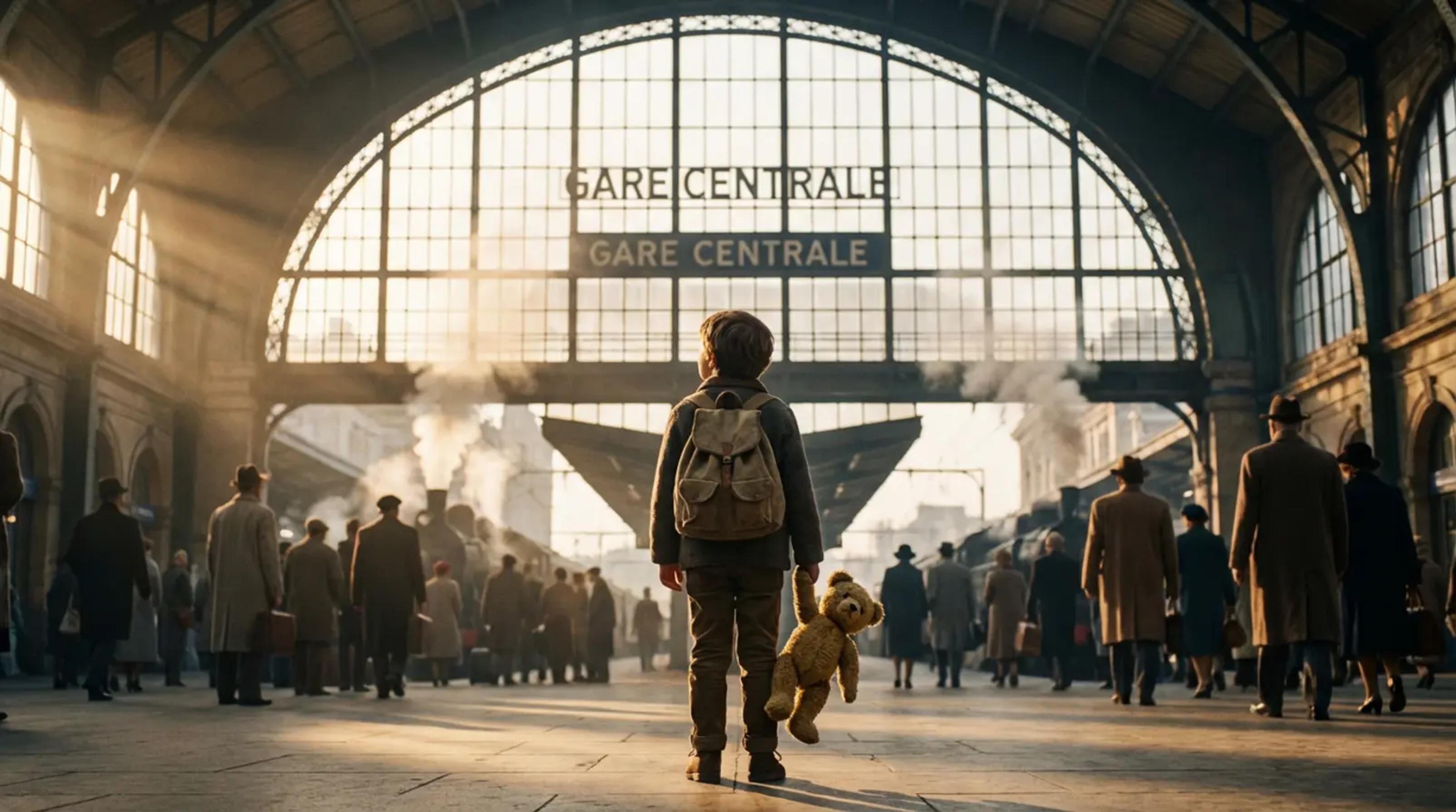
The 'Adventure Architect' Method: Using Personalized Audio Stories to Turn Family Travel into a Screen-Free Heroic Quest
•Written by AudioFables Team
Key Takeaways:
► Narrative Anchoring uses familiar characters to lower cortisol during travel.
► Personalized stories turn 'boring' transitions like flights into interactive quests.
► AudioFables helps solve the 'First Night Effect' in hotels by creating a sense of safety.
► Screen-free travel promotes family bonding and reduces digital overstimulation.
The 2026 travel landscape is shifting. According to recent data, 87% of parents now involve their children in vacation planning, moving away from passive observation toward 'Involved Parenting.' However, the logistical reality of travel—long flights, museum queues, and unfamiliar hotel rooms—often leads to 'Travel Anxiety.' For many, the default solution is a digital pacifier: the tablet. But a new movement of 'Digital Minimalist' parents is seeking a better way to maintain the magic of exploration without the dopamine overstimulation of screens.
Pediatric sleep consultants often highlight the 'First Night Effect,' where a child’s nervous system stays on high alert in a new environment. This survival mechanism can turn a luxury hotel stay into a midnight meltdown. Research shows that 'Narrative Anchoring'—the practice of placing a child’s familiar world into a new context—can significantly lower stress. By using proxy hero toys as emotional anchors, you can bridge the gap between home and the unknown.
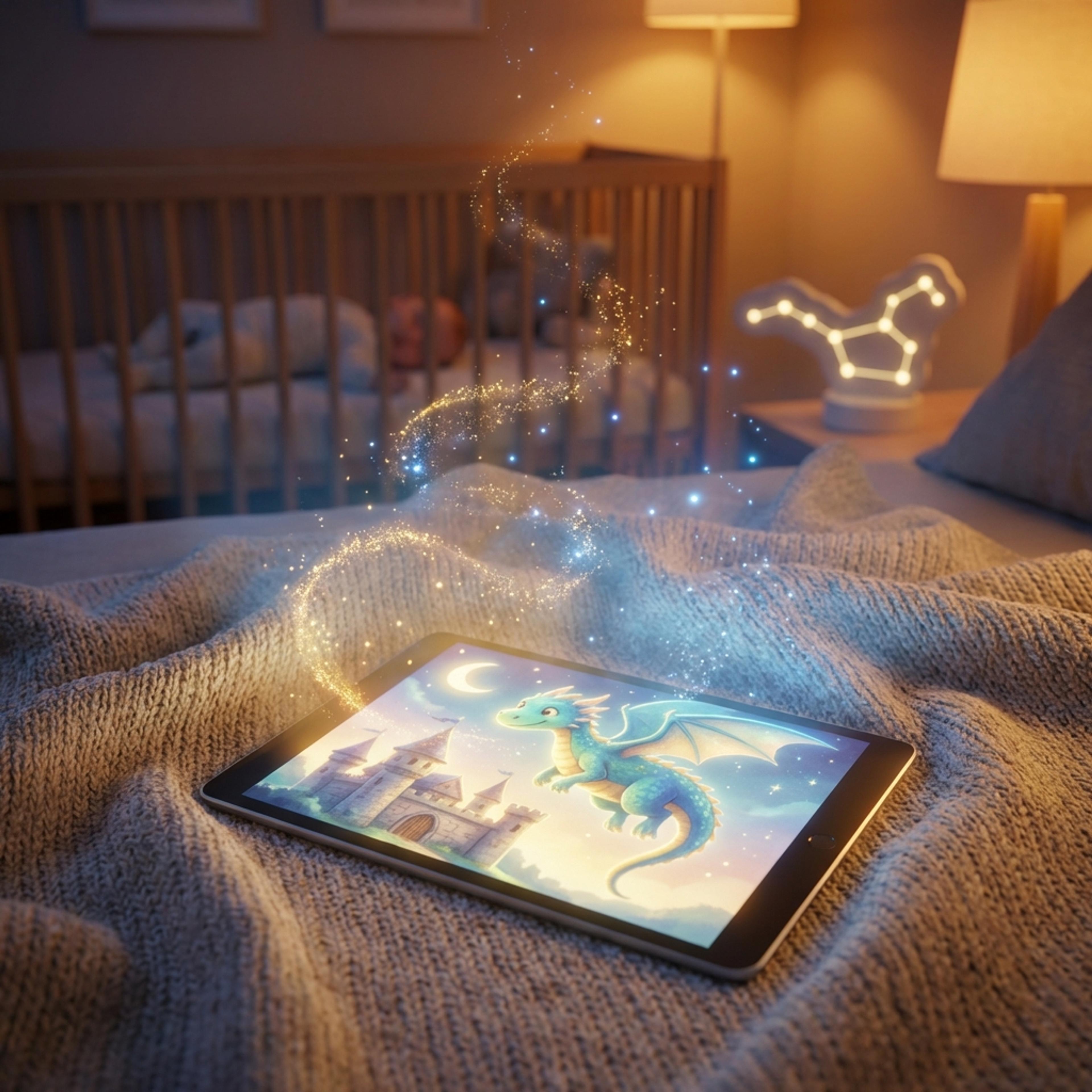
Turn your child's favorite characters into personalized audio adventures. Sign up for free and start your story today!
Get Started FreeThe 'Adventure Architect' method involves three simple steps to turn your itinerary into a heroic quest using AudioFables. First, generate a 'Departure Story' that mentions your specific flight number or train station. Second, create 'Transition Quests' for those long walks through museums or waits at check-in desks. Finally, use 'Location Anchors' at bedtime that describe the hotel room as a secret base for the child and their favorite stuffed animal.
While devices like the Yoto Player are popular, they rely on physical cards that are easily lost in a rental car or airplane seat. In our , the biggest advantage of AI-generated stories is the ability to adapt to your day. If you saw a blue dragon statue in a London park today, AudioFables can include that exact dragon in tonight’s bedtime story. This level of relevance is what creates true engagement and helps kids process the overstimulation of sightseeing.
By moving away from static content and embracing personalized narratives, you aren't just managing travel behavior; you are co-creating a lifelong memory. You are helping your child see themselves as the hero of their own journey, making every feel like a triumphant milestone.