
The Orchid Child Odyssey: How Personalized Audio Stories Build Bravery and Risk-Tolerance
•Written by AudioFables Team
Key Takeaways:
► Orchid children are highly sensitive to their environment and often struggle with risk-aversion.
► 'Narrative Priming' through audio stories helps lower the brain's threat response to new situations.
► Personalized storytelling allows children to experience 'Proxy Bravery' by seeing themselves as the hero.
► AudioFables provides a low-stimulation 'Risk Sandbox' for children to practice courage safely.
If your child seems to feel the world more intensely than others—noticing the scratchy tag on a shirt, the subtle shift in your mood, or the daunting nature of a new playground—you might be raising an 'Orchid Child.' Coined by pediatrician W. Thomas Boyce, this term describes the roughly 20% of children who are biologically more reactive to their environment. While 'Dandelion' children can thrive anywhere, Orchids require specific conditions to bloom. Without the right support, their heightened sensitivity often leads to extreme risk-aversion and a 'Safety Loop,' where they refuse new experiences to avoid potential sensory or emotional overwhelm.
One of the most effective ways to help an Orchid child break out of their safety loop is through a psychological technique called 'Narrative Priming.' By exposing a child to a challenge within the safety of a story before they face it in reality, we can significantly lower the amygdala’s threat response. This is where personalized audio stories become a superpower. Unlike high-stimulation cartoons that can trigger sensory overload, audio stories offer a low-stimulation sanctuary where the imagination does the heavy lifting.
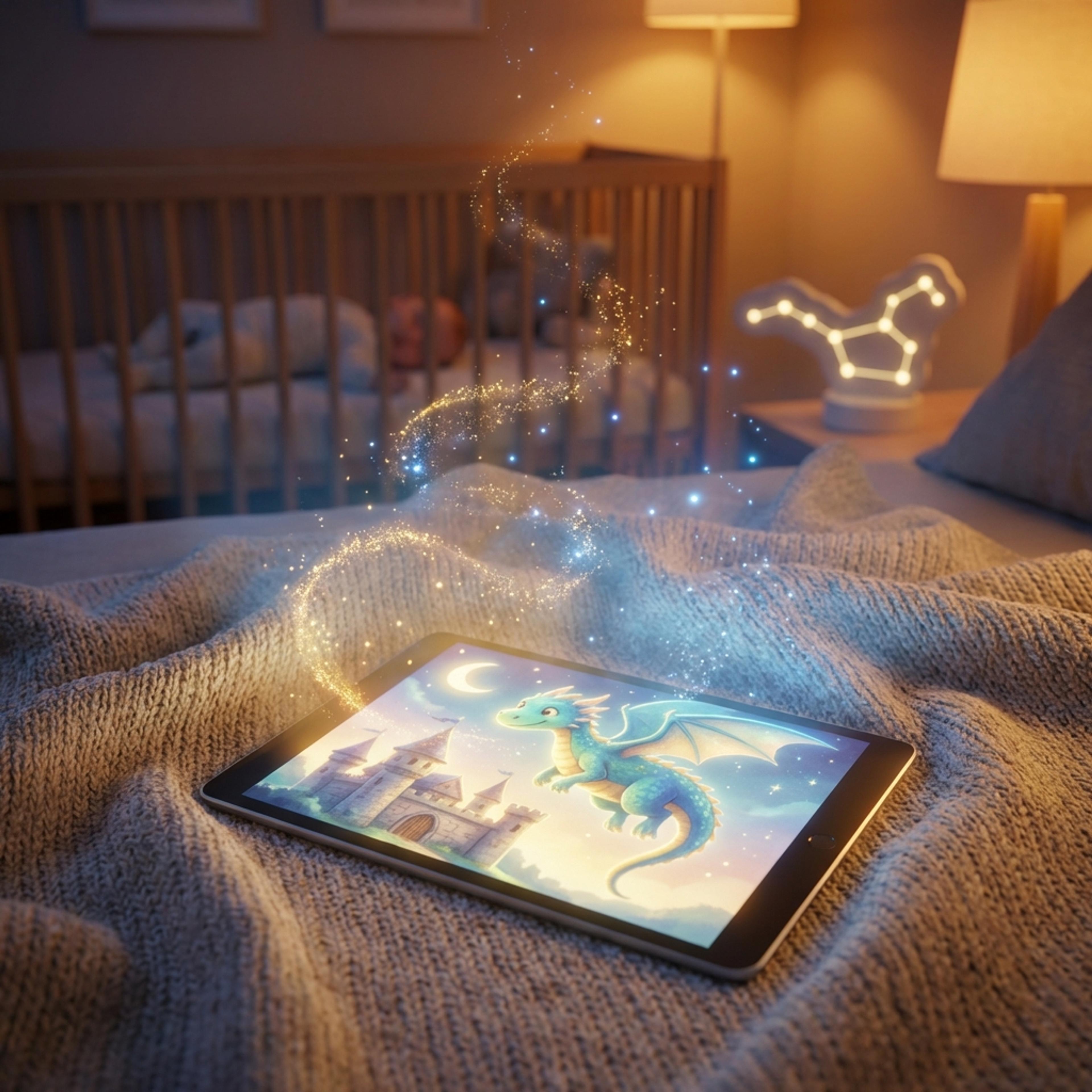
Turn your child's favorite characters into personalized audio adventures. Sign up for free and start your story today!
Get Started FreeWhen a story is personalized—meaning your child is the protagonist—a phenomenon known as 'Self-Referential Processing' kicks in. The brain processes the fictional victory as a personal win. This creates 'Proxy Bravery.' If the 'Story-Me' can climb the tall slide or try a new food, the 'Real-Me' starts to believe it's possible too. This is a core part of building a . At AudioFables, we allow parents to create these 'Risk Sandboxes' by tailoring stories to the specific, unique fears their child is currently facing.
To start using personalized audio as a tool for bravery, try these three steps:
1. Identify the 'Micro-Risk': What is the smallest version of the thing they are afraid of?
2. Craft the Narrative: Use AudioFables to generate a story where your child encounters this exact situation, feels the fear, but uses a specific 'bravery tool' (like deep breathing) to succeed.
3. Use the 'Milestone Map': Connect the story to real-world events. If they have a coming up, let them hear the story of their successful first day every night for a week prior.
By providing your Orchid child with the narrative scaffolding they need, you aren't just telling them to be brave—you are giving them the internal evidence that they already are. AudioFables is more than just bedtime entertainment; it's a tool for emotional regulation and the development of lifelong self-efficacy.