
The 'Audio Sanctuary' Strategy: How Personalized Storytelling Supports a Phone-Free Childhood
•Written by AudioFables Team
Key Takeaways:
► The 'Phone-Free Childhood' movement aims to protect children from dopamine-loop digital content.
► The 'Engagement Gap' is the main hurdle for parents removing screens.
► Personalized audio creates an 'Internal Movie' effect that rivals screen engagement.
► AudioFables provides a screen-free alternative that builds executive function and emotional resilience.
As we move into 2025, a significant shift is happening in living rooms across the globe. Inspired by the work of social psychologist Jonathan Haidt and movements like 'Wait Until 8th,' thousands of parents are reclaiming their children's attention by opting for a phone-free childhood. The goal is clear: no smartphones before high school and no social media before 16. But as many of us have discovered, removing the screen is only half the battle. The real challenge lies in the 'Engagement Gap'—that difficult transition period where children, used to the high-dopamine pull of apps like YouTube, find the physical world suddenly... quiet.
When we take away the tablet, we aren't just removing a device; we are removing a constant source of external stimulation. To help children transition back to 'free play' and independence, we need a scaffold. This is where the 'Audio Sanctuary' strategy comes in. Unlike passive video consumption, audio stories promote what researchers call the 'Internal Movie' effect. This is a state of active imagination where the brain works harder to visualize scenes, building the very executive functions that screens often erode.
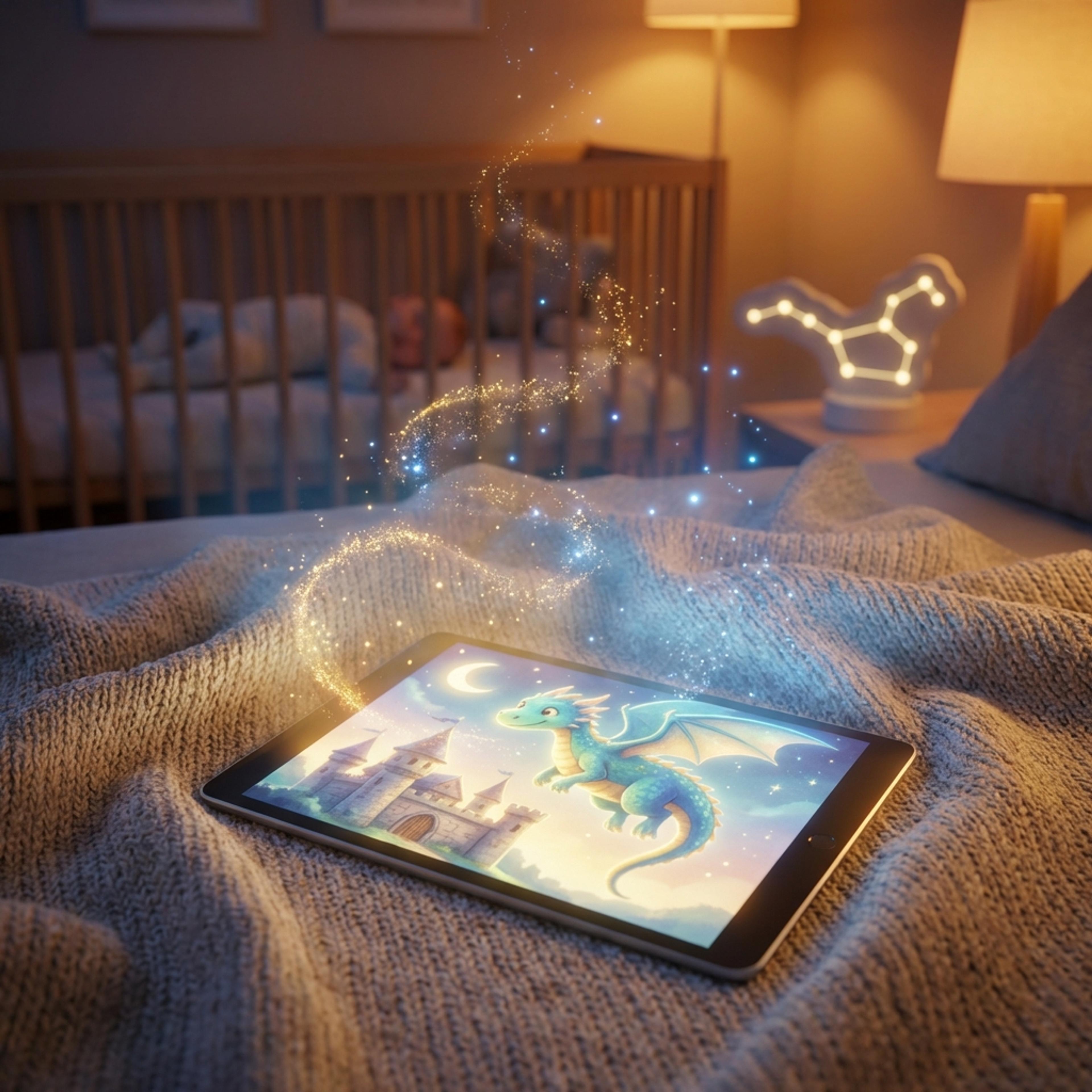
Turn your child's favorite characters into personalized audio adventures. Sign up for free and start your story today!
Get Started FreeMany parents turn to physical audio players like Yoto or Tonies. While these are excellent , they often rely on static, generic content. A child might listen to a story once or twice, but it rarely has the staying power to compete with the allure of a smartphone. This is where AudioFables changes the game. By weaving your child’s own name, their favorite toys, and their real-life challenges into the narrative, the story becomes a mirror. When a child is the hero of their own adventure, their engagement levels skyrocket. This 'Hero Effect' acts as a powerful anchor, helping them focus and rebuild an that has been fragmented by short-form digital content.
To implement this strategy, create a dedicated space—an 'Audio Sanctuary'—where your child can retreat with their stories. This could be a cozy corner with a beanbag or a blanket fort. By using AudioFables, you can generate stories that specifically address the transitions they find difficult, such as or the evening wind-down. Because the content is personalized, it feels like a high-value reward rather than a 'lesser' alternative to a screen. You are giving them the dopamine hit of being seen and heard, but in a low-stimulus, high-imagination format that supports their long-term emotional resilience.