
The Dream-Guardian Protocol: How Personalized 'Dream Seeding' Ends the Cycle of Childhood Nightmares
•Written by AudioFables Team
Key Takeaways:
► Nightmares can be proactively managed through 'Dream Seeding'—using auditory cues to influence REM sleep.
► Personalized stories transform a child from a passive victim into an empowered 'Dream Guardian.'
► Using a real-life security object as the hero creates a psychological bridge to nighttime safety.
► This cognitive approach provides a natural alternative to chemical sleep aids like melatonin gummies.
Every parent knows the heart-wrenching sound of a midnight scream. You rush into the room to find your child trembling, caught in the grip of a nightmare they can’t quite explain. For years, the standard advice has been reactive: comfort them, tell them it isn't real, and hope they fall back asleep. But what if you could proactively 'seed' their dreams with safety before they even close their eyes? This isn't science fiction; it's the 'Dream-Guardian' Protocol, a breakthrough in how we handle childhood sleep anxiety.
Recent research from the MIT Media Lab has introduced a concept called 'Targeted Dream Incubation' (TDI). Their studies show that the brain remains receptive to auditory cues during the onset of sleep. By playing specific narratives as a child drifts off, we can influence the content of their dreams. This is a game-changer for parents looking for melatonin-friendly alternatives to the 'sleep gummy' trend. Instead of chemically sedating a child, we are giving their subconscious the tools to regulate itself.
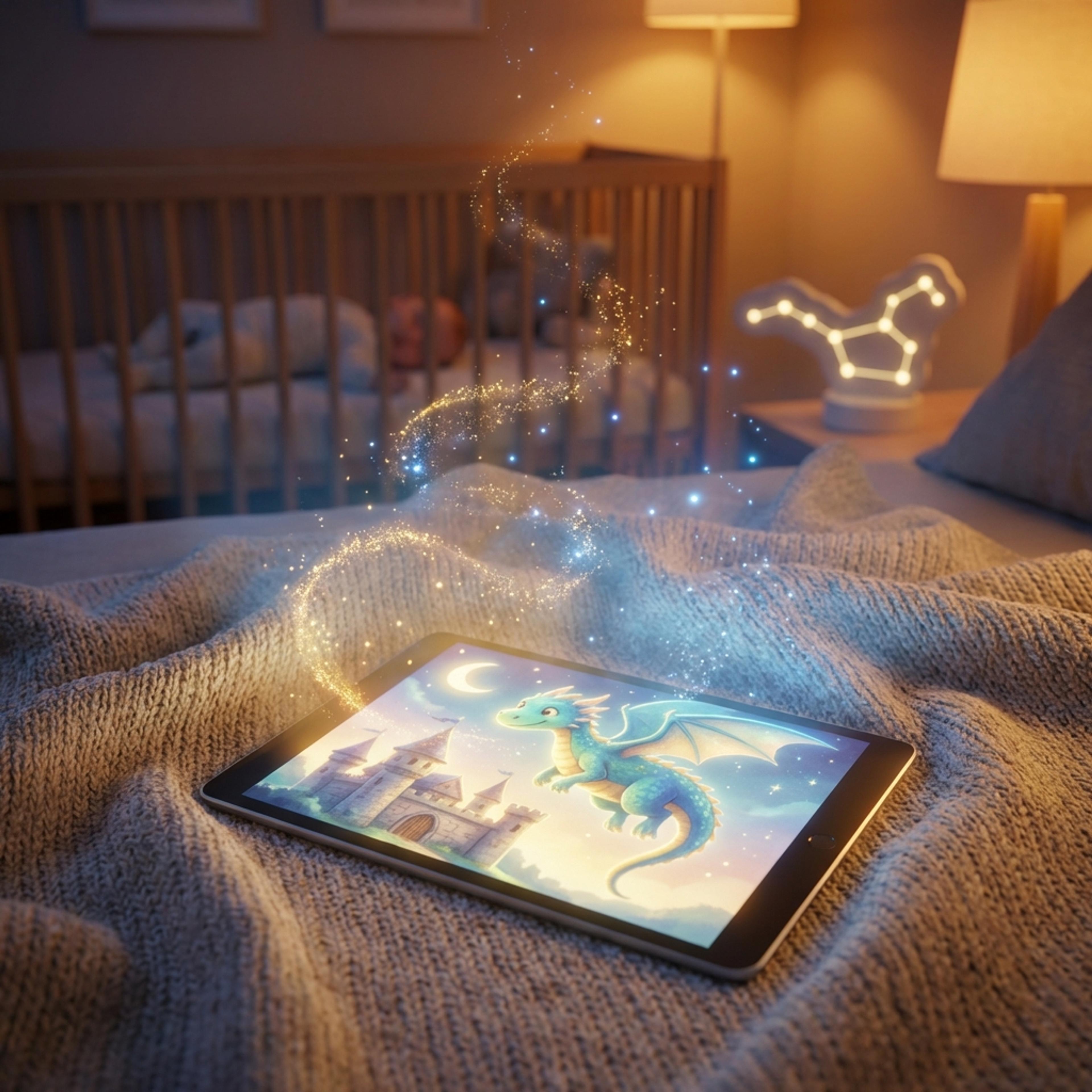
Turn your child's favorite characters into personalized audio adventures. Sign up for free and start your story today!
Get Started FreeThe protocol works by shifting the child’s narrative identity. In a typical nightmare, the child is a passive observer of scary events. In a 'Dream-Guardian' story, the child is the protagonist with agency. They are trained, through the story, to recognize that they have a 'Dream Shield' or a special power that works only in the dream world. This builds daytime self-efficacy and nighttime resilience.
Generic sleep stories, like those found on , focus on passive relaxation. While helpful for some, they don't address specific fears. The 'Dream-Guardian' Protocol uses AudioFables to incorporate the child's real-life —like their stuffed bunny 'Pippin'—as a heroic sidekick. When the child feels the physical fur of the toy in bed while hearing a story about that same toy protecting them in the 'Dream Realm,' it creates a powerful psychological bridge that carries a sense of safety directly into the REM cycle.
By moving from passive listening to active dream seeding, we aren't just helping children sleep; we are teaching them that they have the power to master their own minds. This neuro-affirming approach ensures that bedtime is no longer a battleground, but a sanctuary of empowerment.