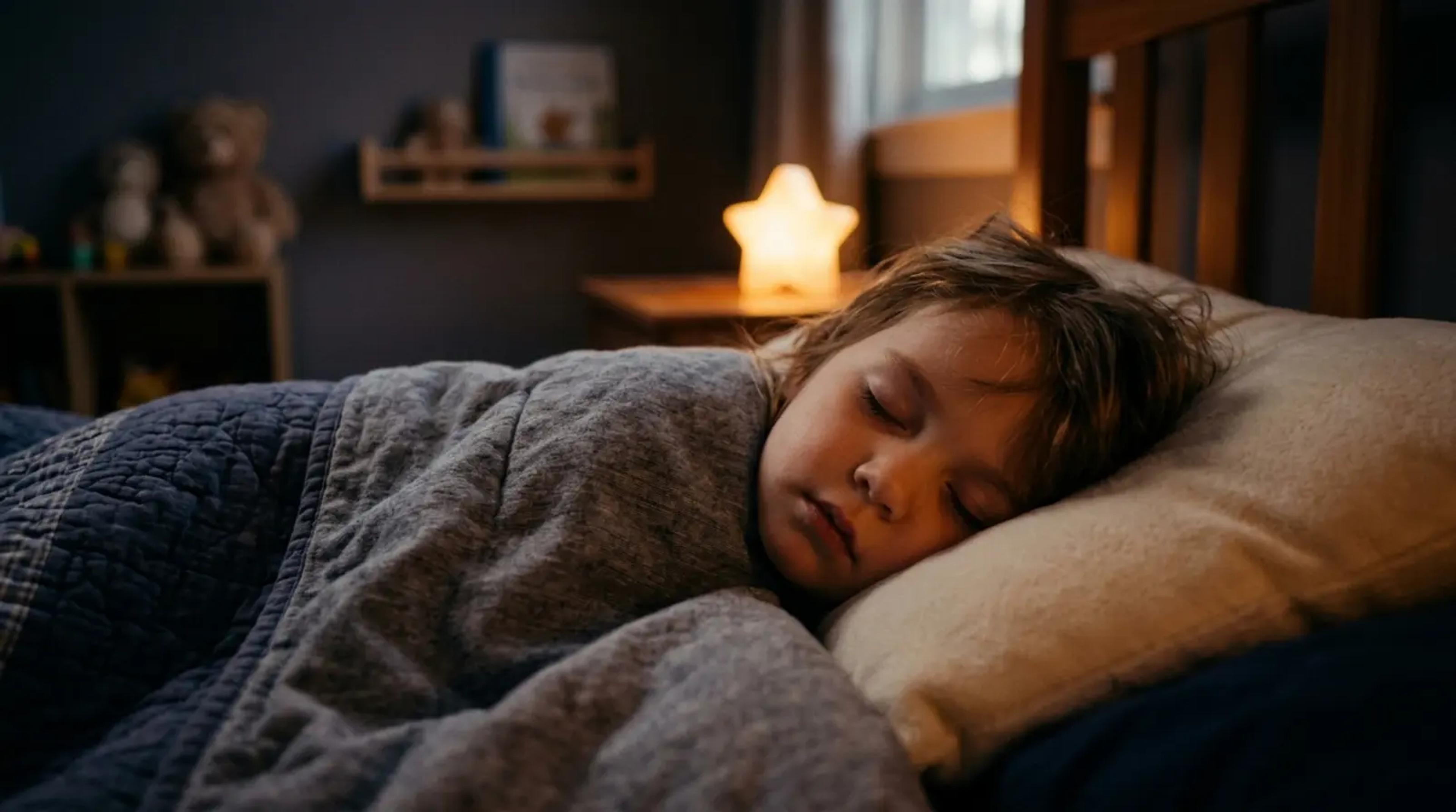
The 'Melatonin-Friendly' Bedtime: Why Personalized Audio is the Best Natural Alternative to the 'Sleep Gummy' Trend
•Written by AudioFables Team
Key Takeaways:
► Melatonin supplements are a rising trend but lack long-term safety data for children.
► Screens suppress the pineal gland's natural hormone production, creating a 'melatonin deficit.'
► A 'low-light, high-auditory' environment is the biological gold standard for sleep.
► Personalized stories trigger oxytocin, providing the emotional safety needed for deep rest.
As we move into 2025, the parenting world is witnessing a clash between two trends: the 'Screen-Free Sleep' movement and the massive surge in pediatric melatonin supplements, often marketed as 'sleep gummies.' While these gummies promise a quick fix for bedtime battles, many pediatricians are raising red flags. We aren't just facing a behavior problem; we are facing a biological one. Daytime screen use and evening blue light exposure have created a 'melatonin deficit' that parents are trying to supplement away.
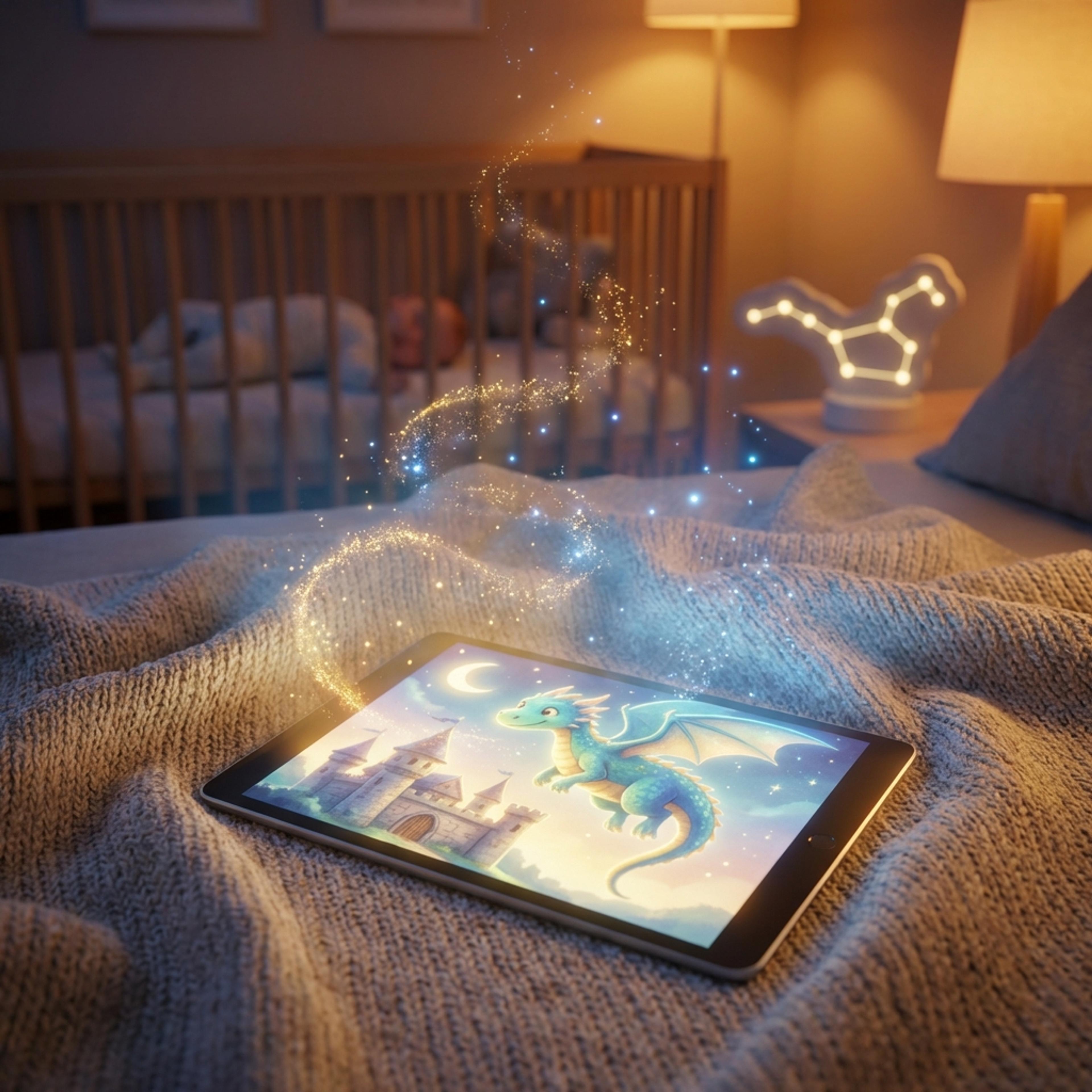
The pineal gland, responsible for secreting melatonin, requires darkness to function. Even the small amount of light required to operate a physical story player or a tablet can interfere with this process. This is why a low-stim sanctuary is essential. Auditory stories allow for a total 'blackout' setting, providing the high-auditory input children crave without the hormone-disrupting light.
Turn your child's favorite characters into personalized audio adventures. Sign up for free and start your story today!
Get Started FreeWhile generic sleep apps offer calming sounds, they often lack the 'emotional anchor' a child needs to feel safe enough to let go of the day. When a story features your child’s own name, their favorite toy, or a challenge they conquered that day, it does more than entertain. It triggers the release of oxytocin—the 'bonding hormone.' This natural chemical lowers cortisol (the stress hormone) and creates a sense of that makes external supplements unnecessary.
At AudioFables, we position our personalized narration as a 'biological bridge.' By moving away from the 'sleep gummy' trend and toward a , you are giving your child the tools to fall asleep naturally. You aren't just masking the symptoms of a busy day; you are supporting their body's natural rhythms.