The Early-Waker Anchor: Ending the 5 AM Struggle with Personalized Audio
Key Takeaways:
► Early waking is often a search for sensory input, not just the end of sleep.
► High-stimulation screens disrupt circadian rhythms and focus for the rest of the day.
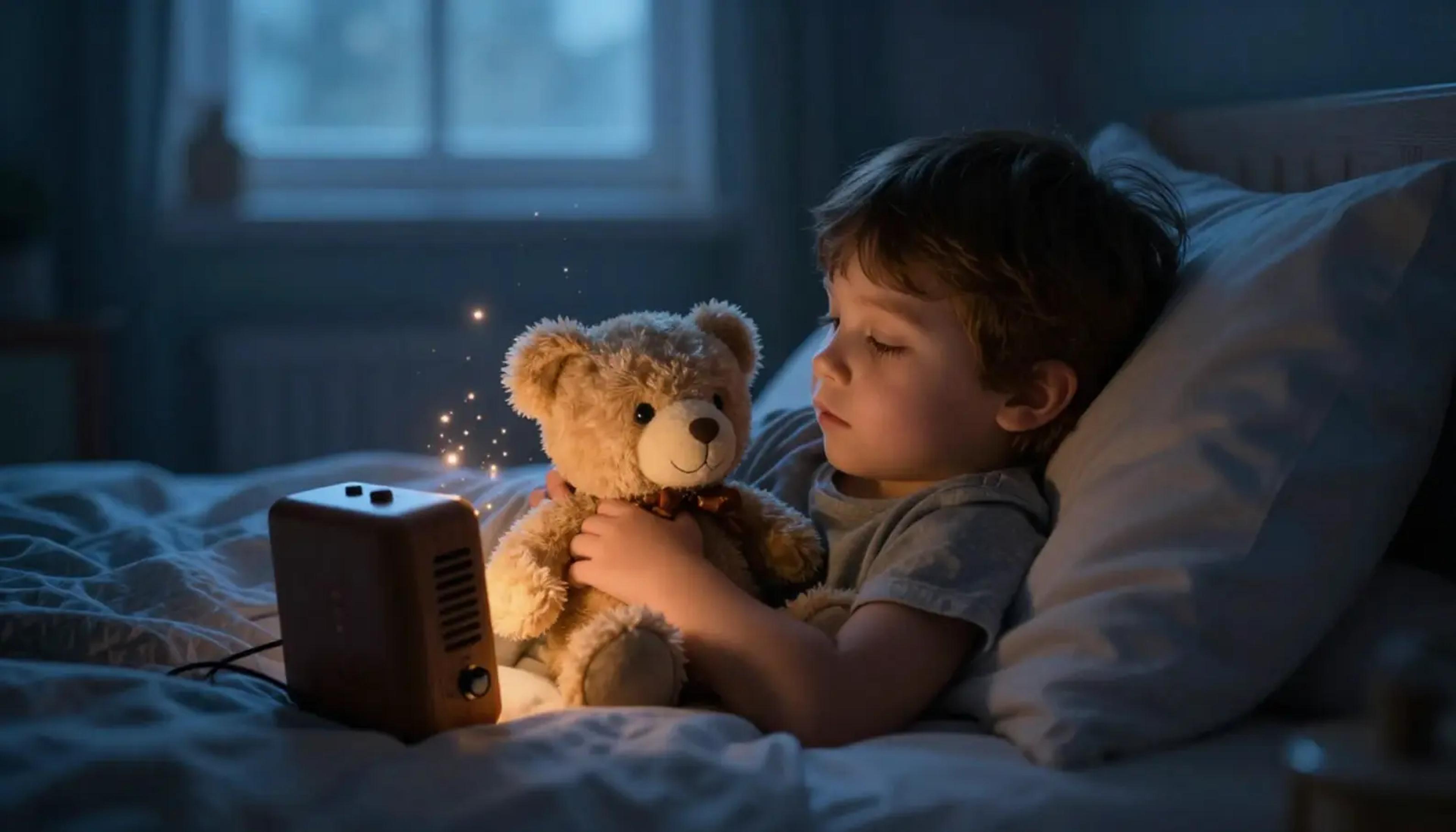
► The 'Early-Waker Anchor' uses personalized audio to create a 'Presence Effect' that keeps kids in bed.
► This routine builds executive function by teaching the critical skill of independent quiet play.
The 5 AM Reality: Why Your Child is Awake
It’s 5:12 AM. You hear the soft creak of a floorboard or the dreaded 'Are you awake?' whispered inches from your face. For many parents of toddlers and preschoolers, the early morning wake-up is the single biggest contributor to parental burnout. In the world of 'Sleep-Maxxing,' we often focus on how to get kids to sleep, but we rarely talk about what happens when they wake up before the sun. Behavioral science suggests these early wakers aren't just 'done' sleeping; they are seeking immediate sensory input or social connection. When that need isn't met, the result is often a high-energy 'fight or flight' state that sets a chaotic tone for the entire day.
The Trap of the Digital Pacifier
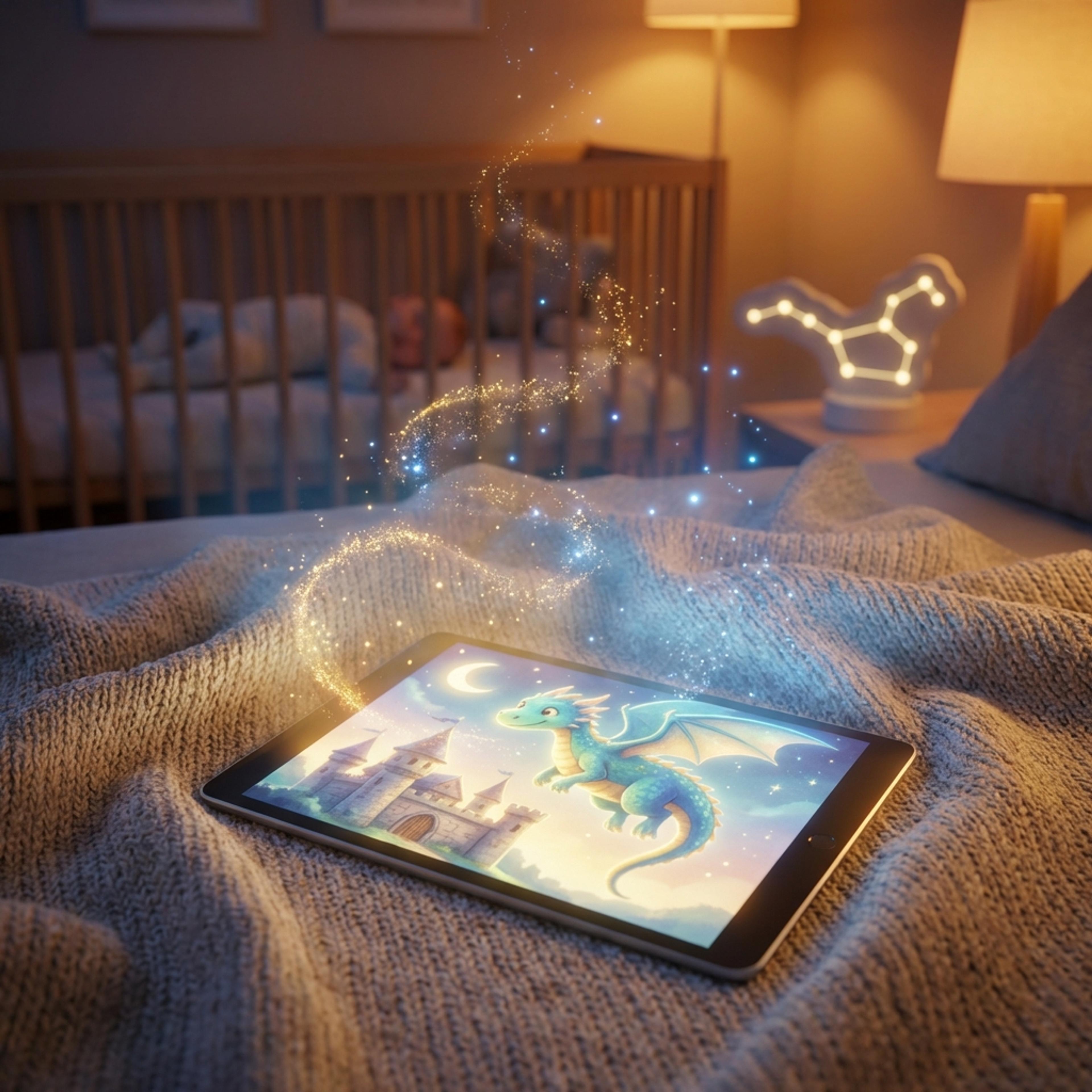
In the desperate pre-dawn hours, many of us turn to the 'emergency' tablet or TV. While it buys thirty minutes of silence, it comes at a cost. The blue light and high-stimulation visuals of cartoons spike dopamine levels, making it harder for your child to regulate their behavior later. This creates a . Unlike screens, low-arousal audio allows the brain to transition slowly from sleep states to calm alertness, preserving the child's focus and mood.