
The 'Empathy Engine' Strategy: How Personalized Audio Stories Build Compassion
•Written by AudioFables Team
Key Takeaways:
► Stories are the most effective tool for teaching Social-Emotional Learning (SEL).
► Audio stories stimulate the 'Internal Movie' effect, requiring active empathy.
► Personalizing the hero to a child's own toy (Hero Proximity) makes lessons 3x more relatable.
► Moving from passive media to active listening builds long-term compassion.
In an increasingly digital world, the most critical skill we can give our children isn't coding or a second language—it’s empathy. As Social-Emotional Learning (SEL) becomes the cornerstone of modern education, parents are looking for ways to foster 'perspective-taking' at home. This is where the 'Empathy Engine' strategy comes in, utilizing the unique power of personalized audio to help children understand and care about the feelings of others.
Research from the Harvard Graduate School of Education highlights that stories are the ultimate empathy tool. But not all stories are created equal. When a child watches a cartoon, the imagery is provided for them. When they listen to an audio story, their brain must work to create the visuals—a phenomenon known as the 'Internal Movie' effect. This active simulation requires the brain to map out the characters' emotional states, making the transition from passive screen time to active imagination a vital step in cognitive development.
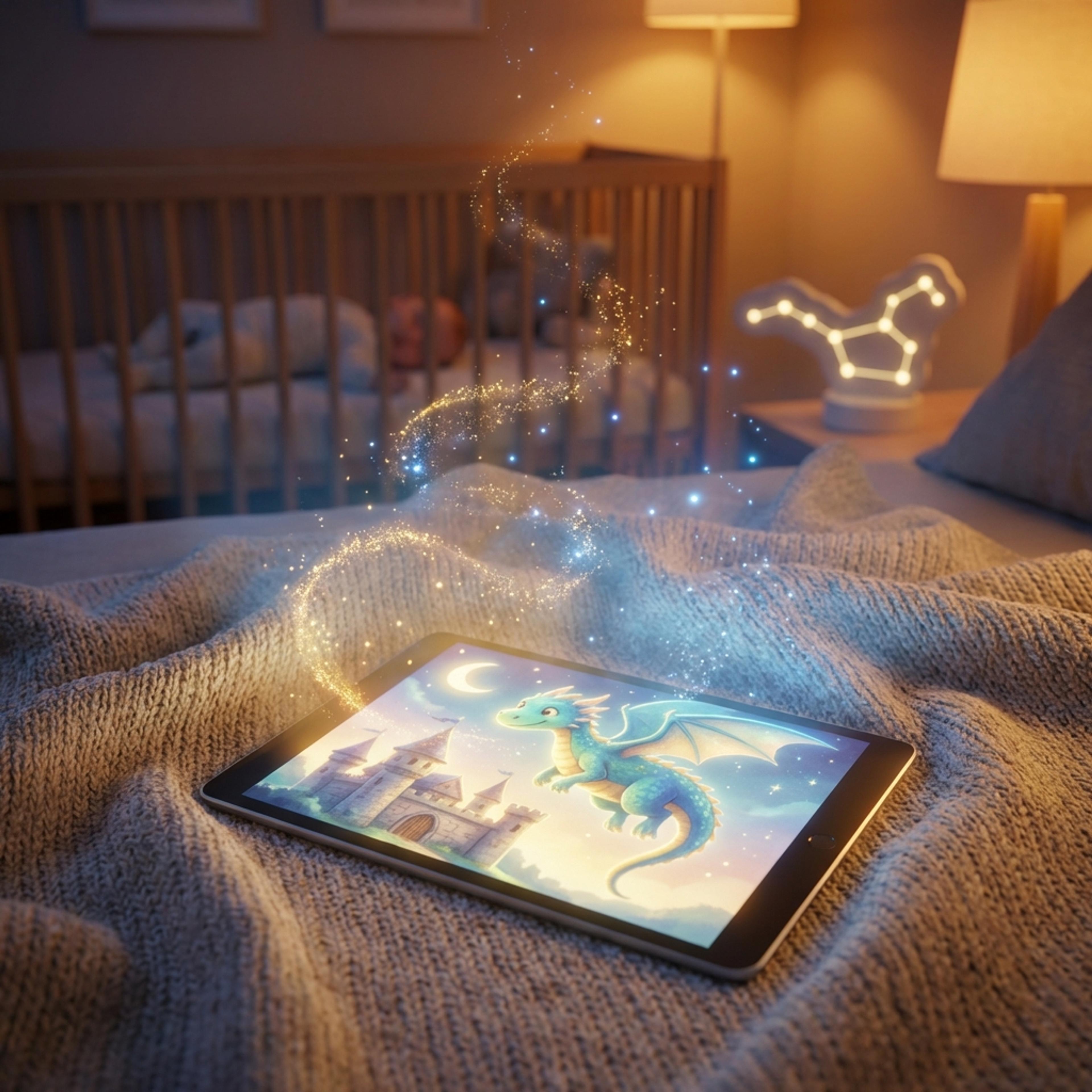
Turn your child's favorite characters into personalized audio adventures. Sign up for free and start your story today!
Get Started FreeWhile popular platforms like Toniebox or Yoto offer wonderful stories, they often feature 'fixed characters' like Disney princesses or superheroes. These are strangers to your child. AudioFables changes the game through 'Hero Proximity.' By making your child’s favorite stuffed animal or even a family member the protagonist, the emotional bridge is shortened. When 'Barnaby the Bear' (your child's actual toy) learns to share, the lesson is 3x more 'sticky' because the child already has a deep emotional bond with the character.
To turn bedtime into an empathy-building session, try these steps:
1. Build Your Cast: Use AudioFables to create stories featuring your child's real-life heroes.
2. Name the Feelings: Choose stories that focus on specific pro-social skills like comforting a friend.
3. Use the : After the story, ask, 'How do you think Barnaby felt when he helped his friend?'
By leveraging , you aren't just telling a story; you are building an internal compass that will guide your child's interactions for years to come.