The Quiet Time Anchor: Solving the Nap-Transition Struggle Without Screens
•Written by AudioFables Team
Key Takeaways:
► The 'Nap Gap' (ages 3-5) often leads to chronic overstimulation without a structured rest period.
► Tablets provide a 'digital babysitter' but cause dopamine spikes that defeat the purpose of rest.
► Personalized audio stories act as a 'narrative anchor,' significantly increasing room compliance.
► Auditory rest fosters internal visualization, a low-arousal cognitive activity essential for memory.
It happens to every parent eventually: the dreaded 'Nap Gap.' Somewhere between the ages of three and five, your child decides that naps are for babies, yet their nervous system hasn't quite caught up. By 4:00 PM, the lack of rest manifests as the 'witching hour'—a whirlwind of meltdowns and overstimulation. This transition is one of the most challenging phases of early childhood, leaving parents desperate for a way to help their little ones recharge.
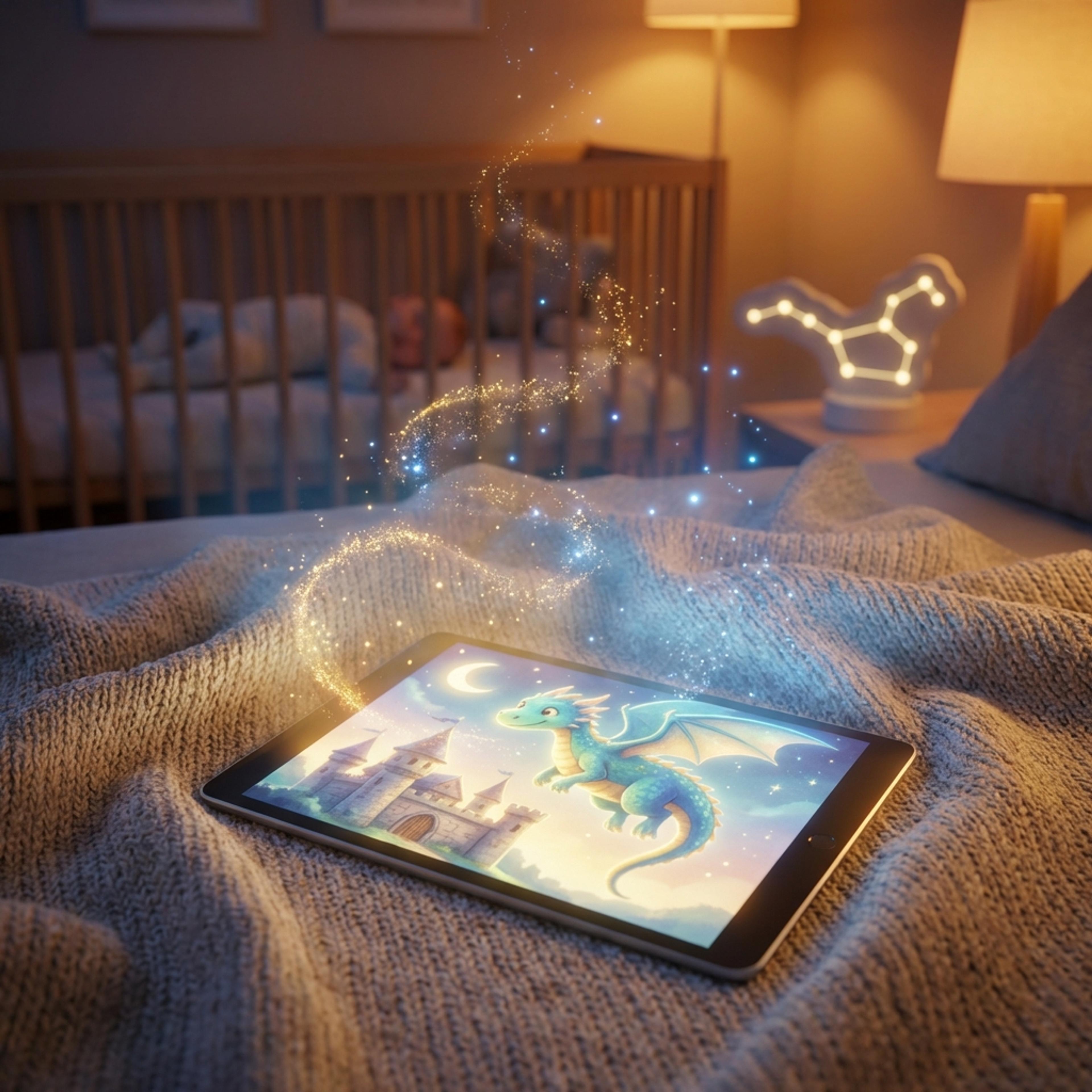
When the nap disappears, many parents turn to tablets. It’s an easy win for 'room compliance'—the child stays still, and you get a moment of peace. However, research suggests this is a trap from passive screen time. Visual media is highly stimulating; instead of resting the brain, it floods it with dopamine. This often leads to even harder meltdowns when the screen is turned off.
Turn your child's favorite characters into personalized audio adventures. Sign up for free and start your story today!
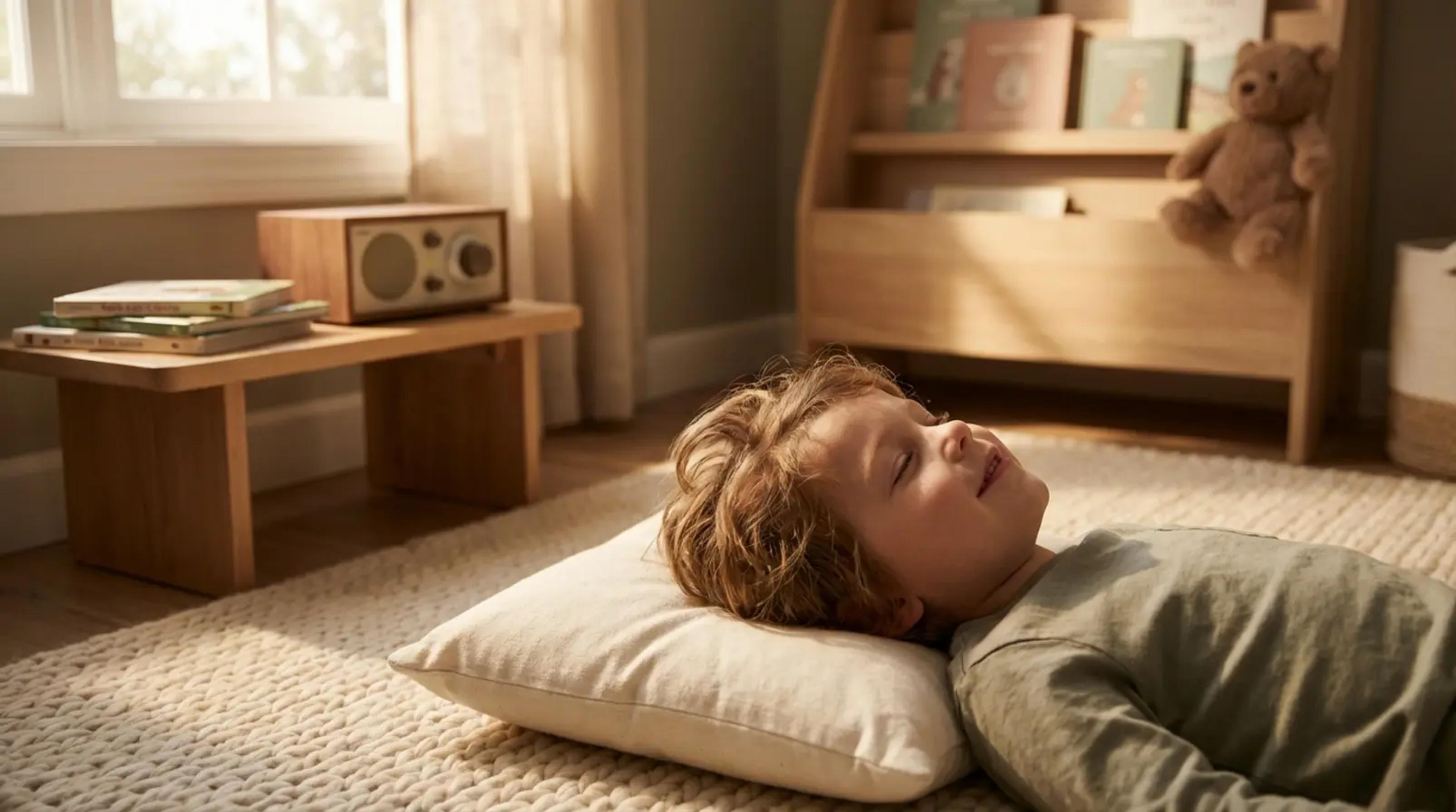
Get Started FreeAuditory rest is fundamentally different. When a child listens to a story, they engage in . Their brain builds the 'movie' of the story, which is a low-arousal cognitive activity. It provides the downtime needed for memory consolidation without the frantic pace of video. This is the core of 'Slow Parenting'—giving children the space to be bored enough to imagine, but supported enough to stay calm.
While physical players like the are great screen-free alternatives, they often suffer from 'content fatigue.' A child might tire of the same five figurines. AudioFables solves this by making your child the hero. When a story features their specific toys, their name, and their favorite adventures, it creates a 'narrative anchor.' They aren't just staying in their room; they are embarking on a mission where they are the star. This personalized immersion is the secret to sustained, independent Quiet Time.