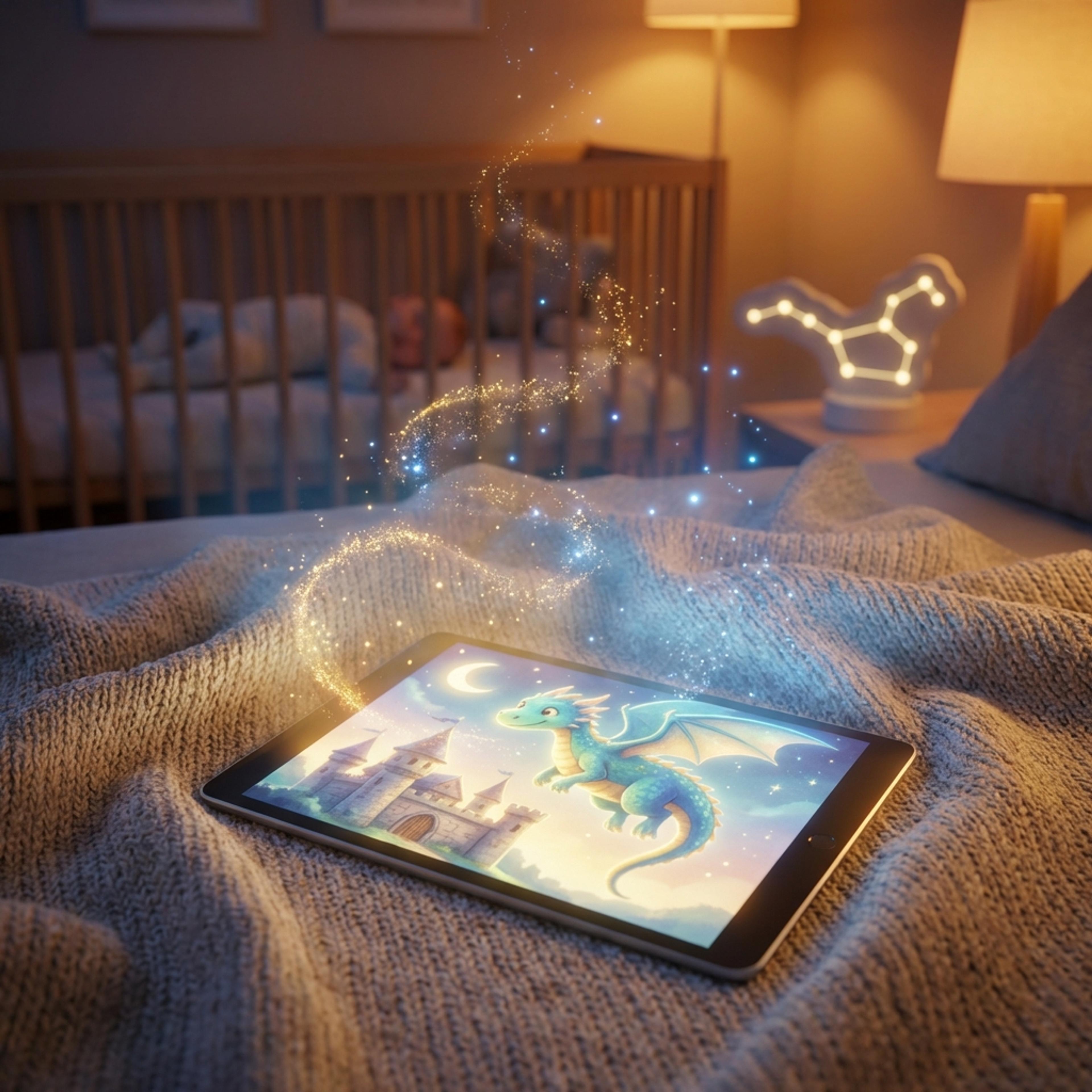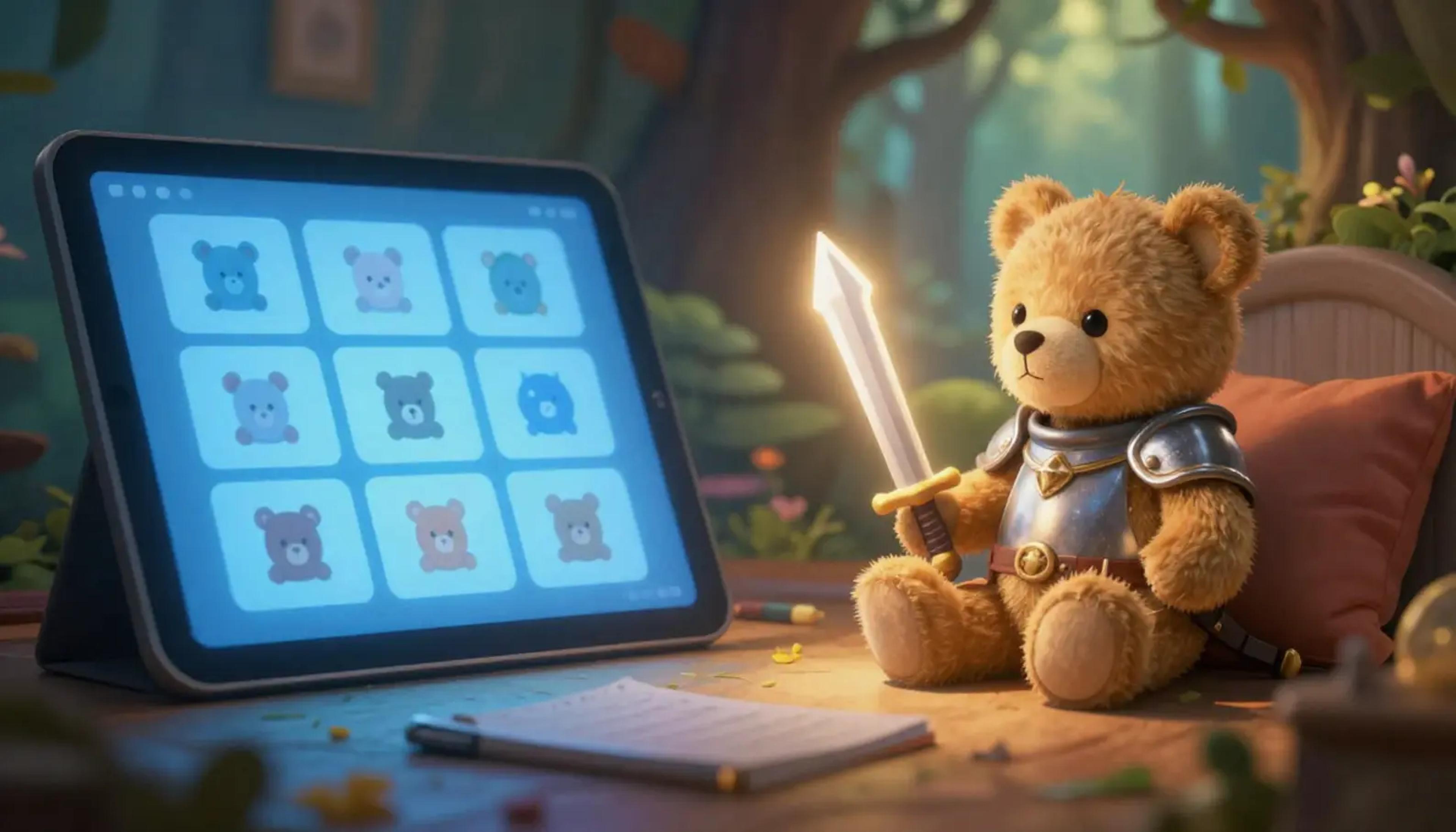
Spotify Kids vs. AudioFables: Why Your Child Needs a Story, Not an Algorithm
Key Takeaways:
► Spotify Kids offers variety but can trigger choice paralysis and overstimulation.
► AudioFables uses the 'Hero Effect' to place your child at the center of the narrative.
► Personalized stories help with emotional regulation by integrating real-life toys and milestones.
► Moving away from algorithms reduces screen dependency and fosters active imagination.
As parents, we are often sold the idea that 'more is better.' Spotify Kids, with its library of over 8,000 songs and stories, seems like a dream come true. However, many of us have experienced the 'Netflix effect' with our children: the endless scrolling, the indecision, and the eventual meltdown because there are simply too many choices. This is known as , and it is the primary byproduct of an algorithm-driven childhood.
The Trap of the Infinite Scroll
While Spotify Kids provides a safe environment, it still operates on a consumption model. Your child is a passive recipient of content curated by a machine. Research shows that 63% of parents are now seeking more structured, empowering audio content that improves self-esteem rather than just providing background noise. When a child spends twenty minutes choosing a story, the 'wind-down' benefit of bedtime is already lost to .
From Passive Listening to the Hero Effect
This is where AudioFables shifts the paradigm. Instead of browsing a library of generic tales, your child becomes the protagonist. By utilizing AI to integrate your child's real-life toys and personal milestones—like losing a first tooth or learning to ride a bike—we create what psychologists call the . This isn't just entertainment; it's a tool for emotional regulation and building narrative identity.