StoryBee vs. AudioFables: Why Studio-Quality Narration Beats Voice Cloning for a Truly Magical Bedtime
•Written by AudioFables Team
Key Takeaways:
► Studio-quality narration provides better emotional prosody than cloned voices.
► Cloned voices can create an 'uncanny' effect that breaks a child's immersion.
► AudioFables' Toy-to-Life feature creates a stronger emotional anchor than voice cloning.
► Professional AI voices help regulate a child's nervous system for better sleep.
As parents, we’ve all been there: stuck in a late meeting, traveling for work, or simply 'touched out' after a long day. The guilt of missing bedtime is real. This is where platforms like StoryBee and AudioFables step in, promising to bridge the gap with AI-powered storytelling. But while StoryBee focuses on 'voice cloning'—using a digital version of your own voice—AudioFables takes a different path: studio-quality, theatrical narration. Today, we’re diving into why the quality of the voice matters more than the familiarity of the speaker when it comes to your child’s sleep and imagination.
StoryBee’s primary selling point is the ability to clone a parent’s voice. On paper, it sounds like the perfect keepsake. However, voice cloning often falls into the 'uncanny valley.' This is the point where a digital voice sounds *almost* human, but lacks the subtle emotional cues that make it feel safe. For a child, hearing a version of 'Mom' or 'Dad' that speaks in a flat, robotic monotone can actually be unsettling rather than comforting.
Research into pediatric sleep suggests that vocal co-regulation is essential. This is the process where a child’s nervous system mirrors the calm, rhythmic tones of a narrator. If the voice lacks 'prosody'—the natural melody and rhythm of speech—the brain stays on high alert, trying to process the 'wrongness' of the sound. This is why a nervous system reset through high-quality audio is often more effective for sleep than a low-quality clone.
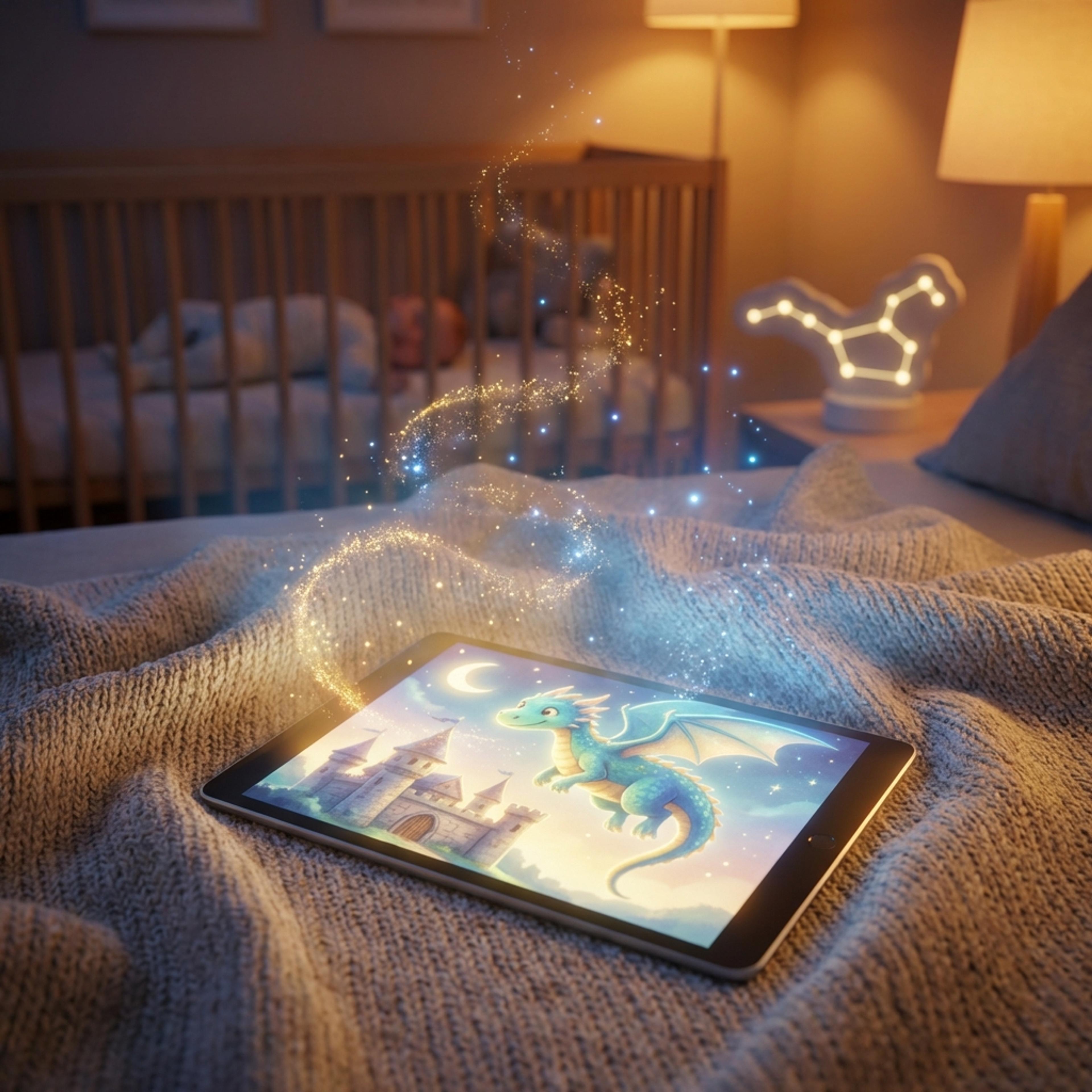
Turn your child's favorite characters into personalized audio adventures. Sign up for free and start your story today!
Get Started FreeAt AudioFables, we prioritize immersion. Instead of cloning a voice, we use a diverse cast of studio-quality AI narrators like 'Daniel' or 'Lisa.' These voices are specifically tuned for storytelling. They whisper during quiet forest scenes and project excitement during grand adventures. This theatrical approach creates a 'sanctuary' for the child’s imagination, allowing them to fully disappear into the story without being distracted by technical glitches in a cloned voice.
One of the biggest differences between StoryBee and AudioFables is how we handle character consistency. While StoryBee generates one-off stories, AudioFables offers a 'Toy-to-Life' feature. You can turn your child’s favorite physical toy into a recurring hero with consistent artwork and a dedicated narrator. This bridges the gap between the audio and the real world, providing a much stronger emotional anchor than a cloned voice ever could.
This consistency helps reduce . Instead of endlessly prompting a web app for a new story, your child knows their hero is waiting for them, narrated in a voice they’ve grown to trust and love.
While the idea of your child hearing your voice via StoryBee is charming, the reality of voice cloning often falls short of the emotional depth required for a truly calming bedtime. AudioFables focuses on the art of storytelling, using professional-grade narration and unique features like Toy-to-Life to build a screen-free routine that actually works. If you want a bedtime that feels like a theatrical adventure rather than a tech experiment, the choice is clear.