Storybutton vs. AudioFables: Why Personalization Beats a Catalog of 10,000 Podcasts
•Written by AudioFables Team
Key Takeaways:
► Storybutton is a passive podcast player; AudioFables is an active, personalized storytelling experience.
► Personalization triggers the 'Internal Movie' effect, increasing a child's visualization and focus.
► AudioFables allows you to turn your child's own toys and family members into story heroes.
► Unlike hardware-locked devices, AudioFables works on any speaker or phone, offering better flexibility for travel.
As parents, we are all searching for that 'holy grail' of childhood: a way to entertain our kids without resorting to the numbing glow of a tablet. This search often leads us to screen-free audio players. Among the newest contenders is Storybutton, a dedicated physical device that streams thousands of podcasts. It sounds impressive—10,000 episodes at your fingertips! But as we dive deeper into the world of screen-free storytelling, a vital question emerges: Is more content actually better, or is the *right* content what truly matters?
Storybutton is essentially a high-tech radio. It’s a $99 physical box that connects to Wi-Fi and pulls in third-party podcasts like 'Hey Mr. Jim.' It’s great for what it is: a simple, durable way for kids aged 5-12 to browse generic content. However, the experience is inherently passive. Your child is a consumer of stories that were made for everyone and, therefore, for no one in particular. It’s the difference between listening to the Top 40 radio and having a custom playlist curated just for you.
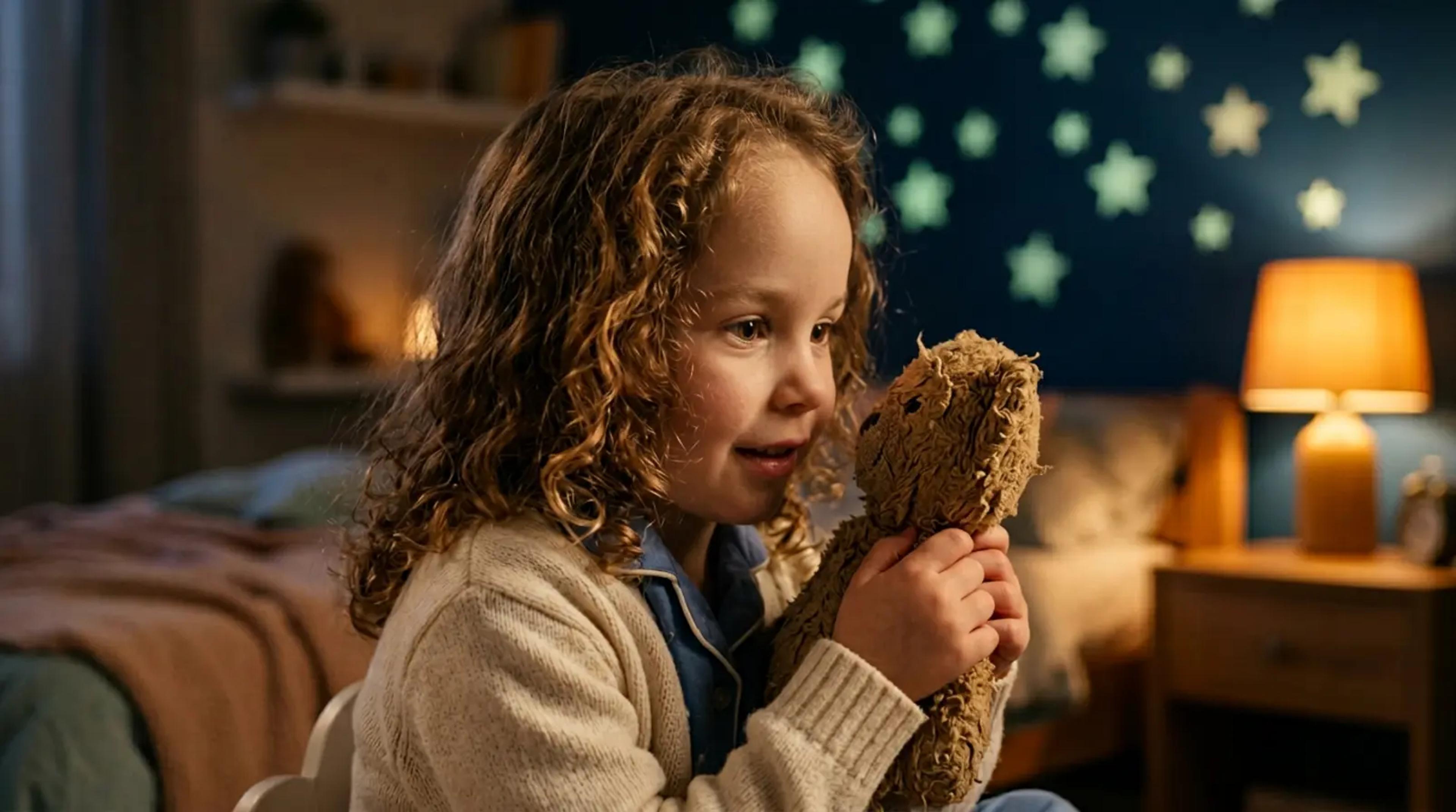
AudioFables takes a different path. Instead of giving you 10,000 generic stories, we give you the tools to create the *one* story that matters most to your child. By using AI to weave your child’s favorite stuffed animal, their pet, or even their own name into the narrative, we transform audio from a background noise into an immersive 'Toy-to-Life' experience. This isn't just about entertainment; it's about building narrative identity and self-esteem.

Developmental experts often talk about the . This is the child's ability to visualize a story in their mind. When a story features a generic character, the brain works harder to build that image. But when the hero is *them*, or their own dog 'Buster,' the emotional investment is immediate. The visualization becomes vivid, the attention span lengthens, and the story sticks. This is why AudioFables is often a better fit for younger children (ages 2-5) who might find generic podcasts too abstract.
One major hurdle with Storybutton is the $99 hardware investment. It’s another box to charge, another device that can break. If you forget it on a road trip, the stories stay home. AudioFables is device-agnostic. You can play your personalized stories through a high-quality Bluetooth speaker at bedtime, through the car speakers on a long drive, or even on an old phone. Much like our comparisons of , the lack of physical clutter is a breath of fresh air for modern parents.
If you want a simple radio for an older child to explore existing podcasts, Storybutton is a solid choice. But if you want to foster deep imagination, build your child's confidence, and create a bedtime ritual that is truly unique to your family, personalization is the clear winner. Don't just give them a library; give them a world where they are the hero.