Beyond 'Brain Rot': How Personalized Audio Stories Rebuild the Cognitive Endurance Lost to Short-Form Video
•Written by AudioFables Team
Key Takeaways:
► Short-form videos (TikTok/Reels) use 'variable reward' schedules that weaken the prefrontal cortex.
► Audio stories require 'Auditory Visualization,' an active cognitive process that acts as a gym for the focus muscle.
► Personalization (using a child's name and toys) creates a 'dopamine bridge' from high-stimulus screens to sustained attention.
► Rebuilding cognitive endurance is essential for long-term academic and emotional success.
In 2025, a new term has entered the parenting lexicon: 'Brain Rot.' It’s the visceral way we describe the glazed-over look and subsequent irritability children exhibit after scrolling through high-velocity micro-content like TikTok, Reels, or YouTube Shorts. But beyond the mood swings lies a deeper concern: the erosion of cognitive endurance.
The algorithms powering modern video platforms are designed for 'variable rewards.' Every few seconds, a new video provides a fresh hit of dopamine. This constant switching trains the brain to expect instant gratification, effectively weakening the prefrontal cortex—the part of the brain responsible for sustained focus and impulse control. When we ask a child to move from a 15-second clip to a 20-minute task, their brain simply hasn't practiced the 'stamina' required to stay engaged. This is why transitioning from passive screen time to deep play feels like an uphill battle.
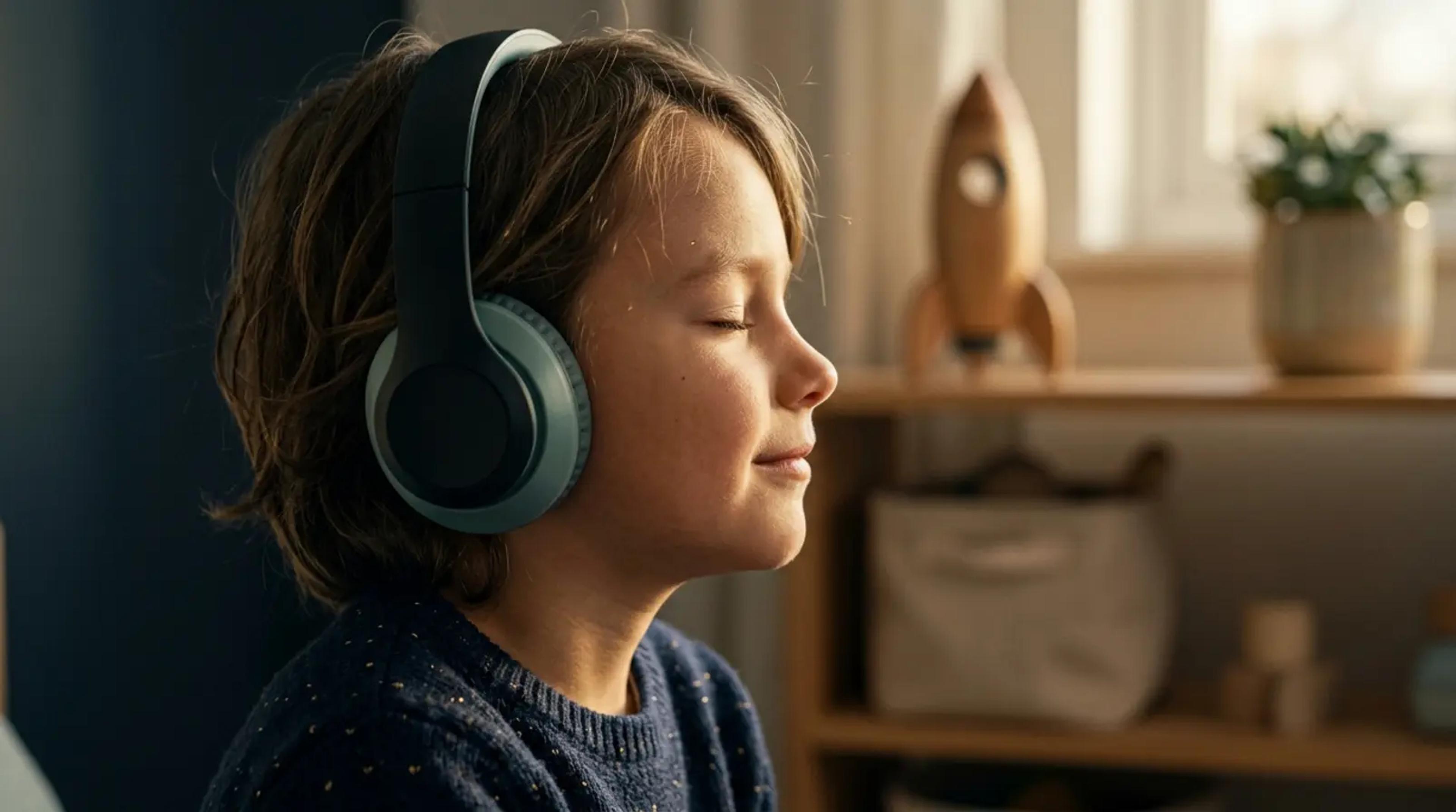
Unlike video, which provides all the visual and auditory input passively, audio stories require the brain to work. This is known as Auditory Visualization. When a child hears about a 'glowing blue dragon,' they must construct that image in their mind. This active participation strengthens the 'focus muscle,' rebuilding the cognitive endurance lost to rapid-fire visuals. It’s the difference between being a passenger in a car and actually driving the vehicle.
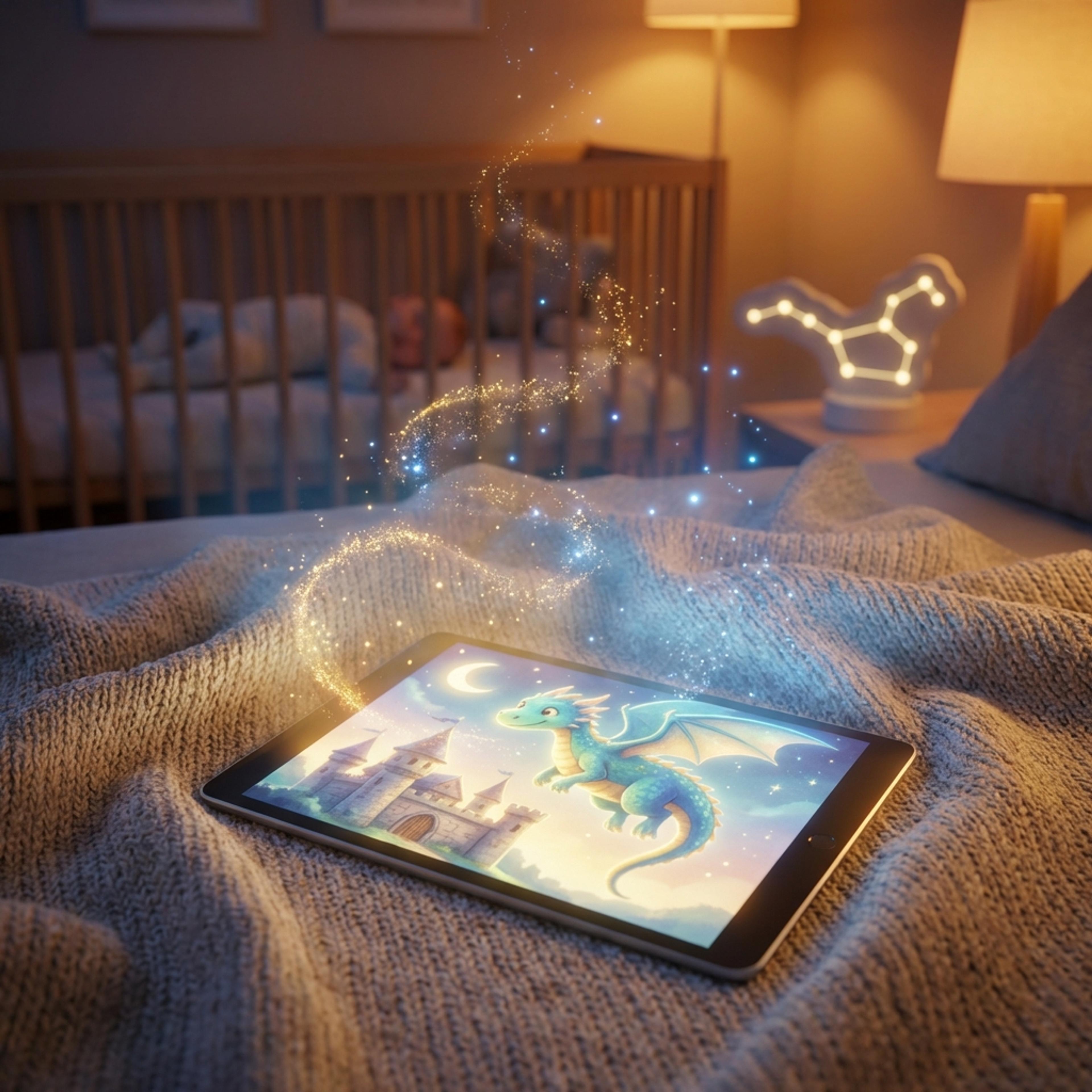
Turn your child's favorite characters into personalized audio adventures. Sign up for free and start your story today!
Get Started FreeThe challenge for many parents is that generic audio—like standard audiobooks or podcasts—can’t always compete with the high-dopamine pull of a screen. This is where AudioFables changes the game. By using the 'Self-Reference Effect,' we weave your child’s name, their favorite toys, and even their current challenges into the narrative. When a child hears that *their* teddy bear is the co-pilot of the spaceship, their engagement levels skyrocket. This personalization acts as a 'dopamine bridge,' providing enough immediate interest to keep them listening long enough to enter a state of deep focus. It’s a that feels like a treat rather than a chore.
By replacing just one 20-minute scrolling session with a personalized AudioFable, you aren't just giving them a story; you are helping them reclaim their ability to think, imagine, and focus in an attention-starved world.