The 'Safe-Family' Anchor: Using Personalized Audio to Repair Attachment for Foster and Adoptive Kids
•Written by AudioFables Team
Key Takeaways:
► Personalized audio creates a 'Third Space' for attachment without the pressure of direct eye contact.
► The 'Self-Reference Effect' helps children integrate into their new family identity faster.
► Unlike generic players, personalized stories can include specific 'safe people' and unique family rituals.
► Audio stories act as a nervous system reset for children prone to sensory overload.
For foster and adoptive parents, the journey to secure attachment is rarely a straight line. Children who have experienced multiple placements or institutional care often carry a 'mental model' of attachment that tells them caregivers are temporary or unpredictable. Even in a loving, permanent home, direct attempts at bonding—like long hugs or intense eye contact—can sometimes trigger a 'fight or flight' response in a traumatized nervous system.
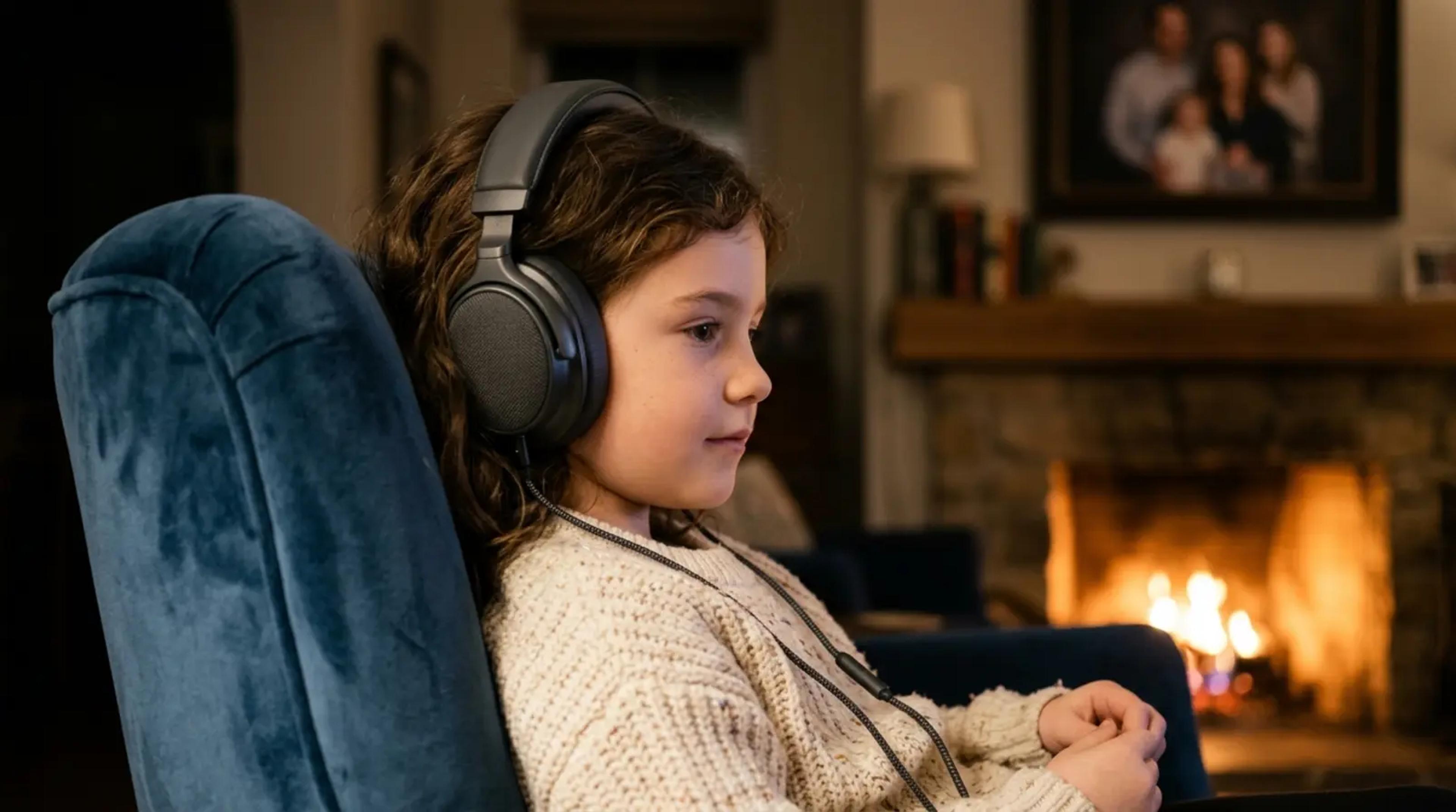
Recent research in 2025, including studies on the 'Safe Families' protocol, suggests that narrative interventions can bridge this gap. Personalized audio stories provide what psychologists call a 'Third Space.' This is a safe, imaginative environment where the child can hear themselves as a hero alongside their new caregivers. Because the medium is auditory, it bypasses the sensory overload that can come with physical touch, allowing the child to process their place in the family at their own pace.
Turn your child's favorite characters into personalized audio adventures. Sign up for free and start your story today!
Get Started FreeThe is a psychological phenomenon where information related to the self is processed more deeply. When a child hears their own name, their specific pet, and their new 'safe people' in a story, it isn't just entertainment—it's identity construction. It helps solidify the 'Safe-Family' anchor by narrating a reality where they are protected and cherished.
While screen-free tools like the are excellent for general play, they rely on pre-recorded content. For a foster child, a generic story about a bear doesn't address the specific 'history gap' they feel. AudioFables allows parents to automate 'narrative mirroring'—a technique often used in the MIRROR method of parenting—without the high mental load usually required. By creating stories that feature the child's specific world, you provide a consistent, predictable anchor that generic cards simply cannot match.
Start by including 'Safe People' in every story. Use the child's current favorite comfort object as a magical sidekick. This creates a bridge between their internal world and their new external environment. Over time, these stories become a that helps the child feel at home before they even close their eyes.