The 'Solo Play' Spark: How Personalized Audio Stories End the 'I'm Bored' Loop
•Written by AudioFables Team
Key Takeaways:
► Auditory stamina is the critical foundation for reading comprehension and academic focus.
► Unlike video, audio stories force the brain to create 'internal movies,' strengthening mental visualization.
► Personalization acts as a 'play-starter,' bridging the gap between listening and physical solo play.
► Using a child's own toys as story heroes provides the narrative prompt they need to end the 'I'm bored' loop.
"I’m bored." It’s the two-word phrase that can trigger an immediate sense of parental burnout. In our fast-paced digital world, children are increasingly conditioned for instant visual gratification. With the rise of short-form content like TikTok and YouTube Shorts, a silent crisis is emerging: the decline of auditory stamina. This is the ability to focus on and process spoken information without the help of a screen.
When a child watches a video, their brain is passive. The visuals are spoon-fed to them, requiring zero imaginative effort. This is why many children struggle to play alone once the screen is turned off; their 'imagination muscle' has effectively gone dormant. To transition into active imagination, they need a spark that doesn't do all the work for them.
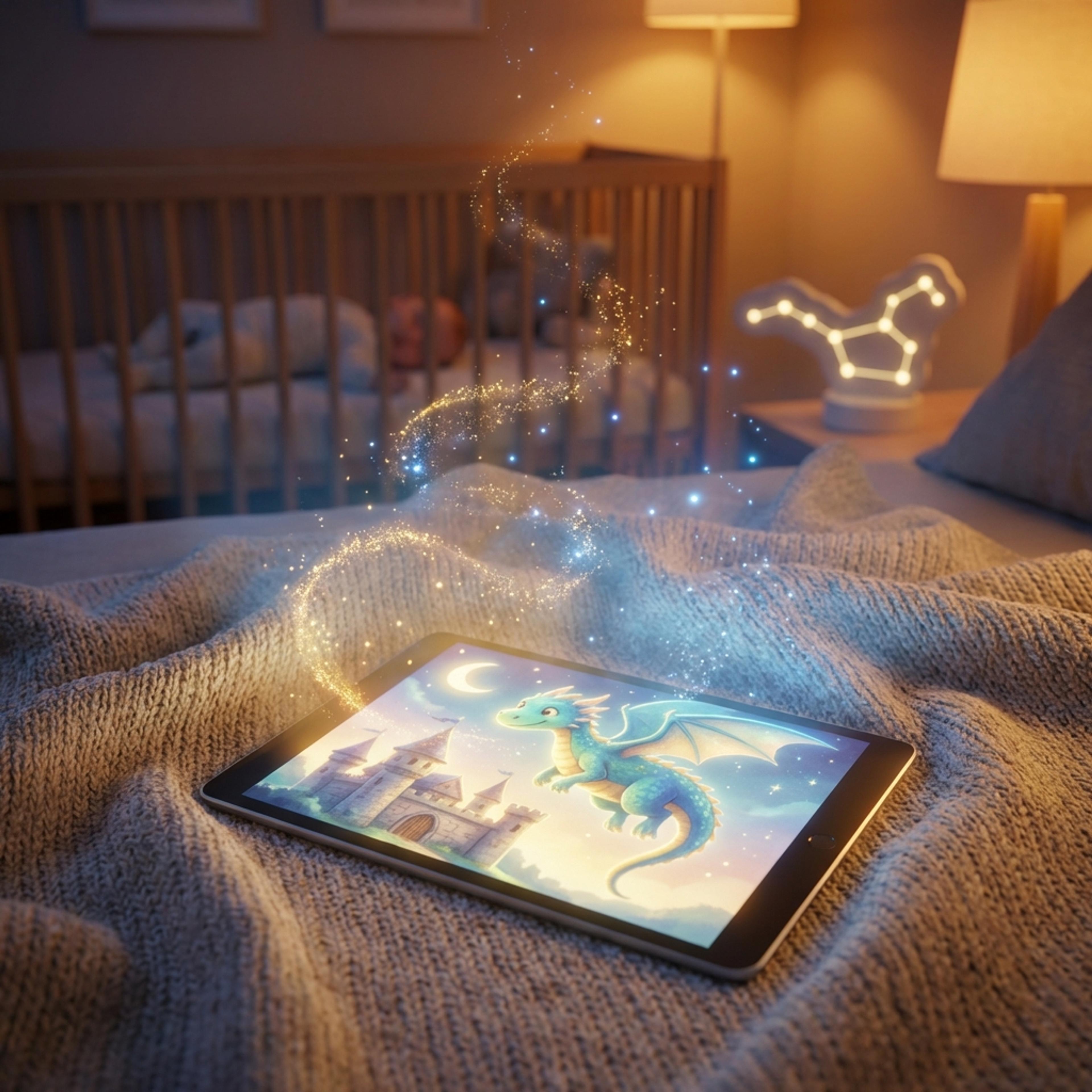
Turn your child's favorite characters into personalized audio adventures. Sign up for free and start your story today!
Get Started FreeAudio storytelling is the ultimate tool for rebuilding this stamina. Because there are no pictures, the brain must create . Research shows that this mental visualization is a key precursor to reading comprehension. If a child can 'see' the story in their head while listening, they will be able to 'see' the story when they eventually read it on a page.
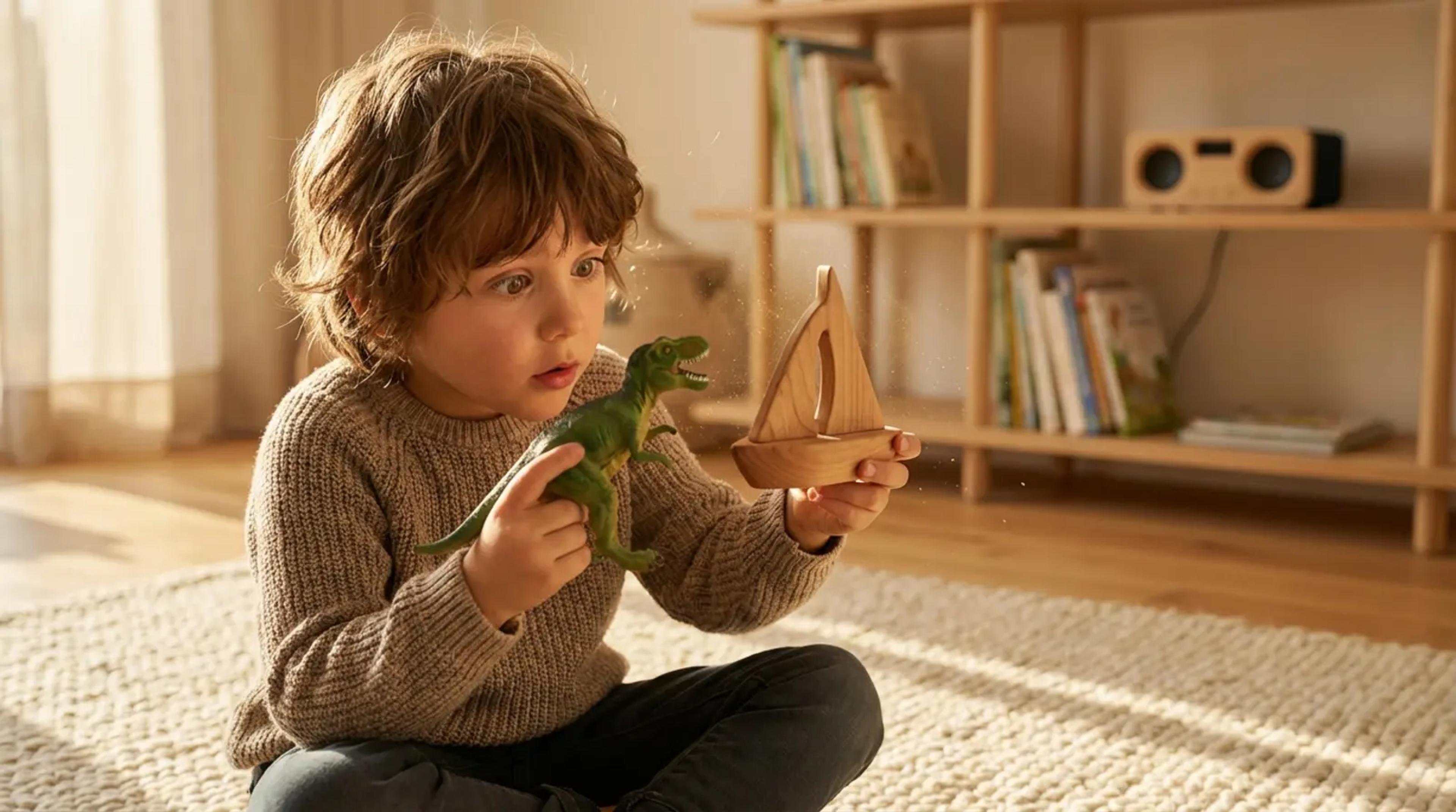
While screen-free devices like are great for passive listening, they often lack the personal resonance needed to trigger physical play. This is where AudioFables changes the game. By making your child's actual toys—the dinosaur on their shelf or the doll in their hand—the heroes of the story, we create a direct bridge to the physical world.
When the audio story ends, the narrative doesn't have to. Because the 'hero' is right there in their hand, the child naturally transitions from listening to the story to *acting it out*. This is the 'Solo Play Spark' that ends the 'I'm bored' loop by teaching children that their own imagination is the best source of entertainment.